
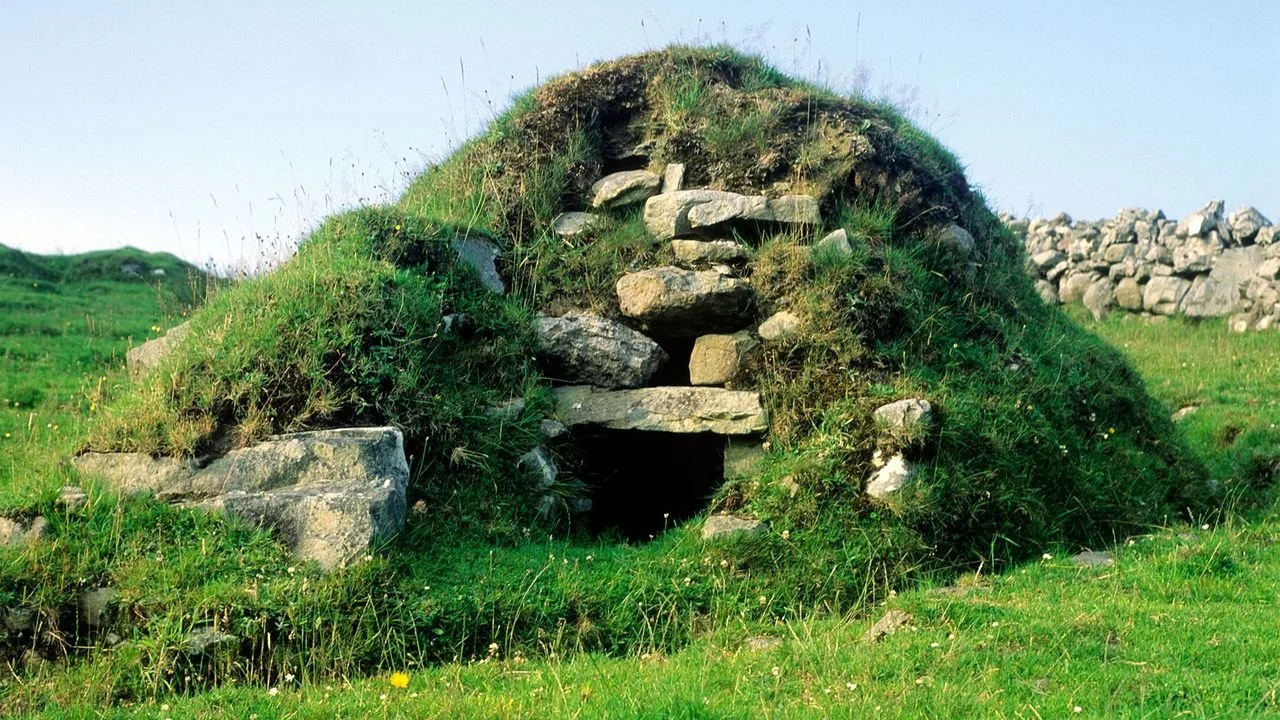
Celtic Sweathouses
Ireland’s new wave of outdoor saunas carries an old heartbeat. The teach allais the “house of sweat” echoes traditions that stretch back through centuries, inspired by the stone sweathouses where people once gathered to heal, to reflect, and to cleanse in fire and steam. Today, modern sanctuaries rise from this legacy, weaving wellness with a profound connection to the island’s raw, elemental spirit & lore.
Across the isle of Ireland, the Sites and Monuments Record reveals more than 300 sweathouses, their origins traced at least to the 1700s silent witnesses to a ritual older than memory.
Where the tradition began, no one truly knows. Some whisper of Roman missionaries who brought “hot air baths” with the first light of Christianity. Others tell of Viking raiders, landing on Irish shores in the 8th and 9th centuries, carrying with them the art of sauna bathing. Yet perhaps the Irish sweathouse is older still born of the land itself. Until the earth yields its secrets, the mystery lingers, carried in the heat and stone, waiting to be discovered anew.
And long before today’s wellness retreats and cold plunges were fashionable, these stone chambers offered their own kind of renewal. Tucked beside rivers and streams, they became places of release, where fevers, aches, and even the weight of the spirit could be sweated away. From the searing heat, bathers would plunge into cold, rushing waters, their bodies jolted awake, their minds and souls unburdened. It was more than cleansing; it was ritual, a rhythm of fire and water, of earth and spirit—that promised not just healing, but transformation.
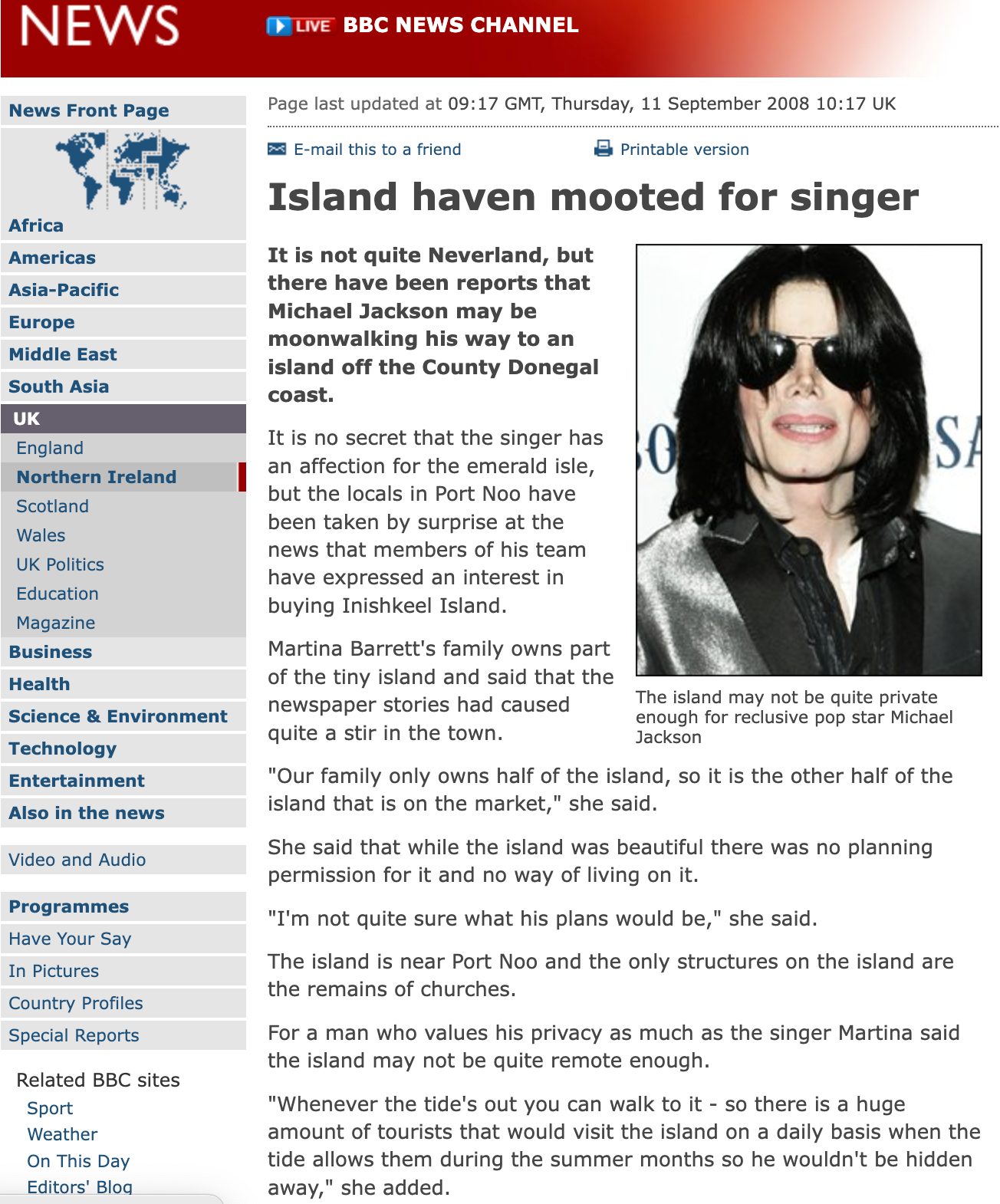
Inishkeel, a unique history
We named the sauna after our favourite childhood memory; acesssing inishkeel island at low tide, from Narin Strand…
… it had nothing to do with the man in the mirror himself, Michael Jackson.
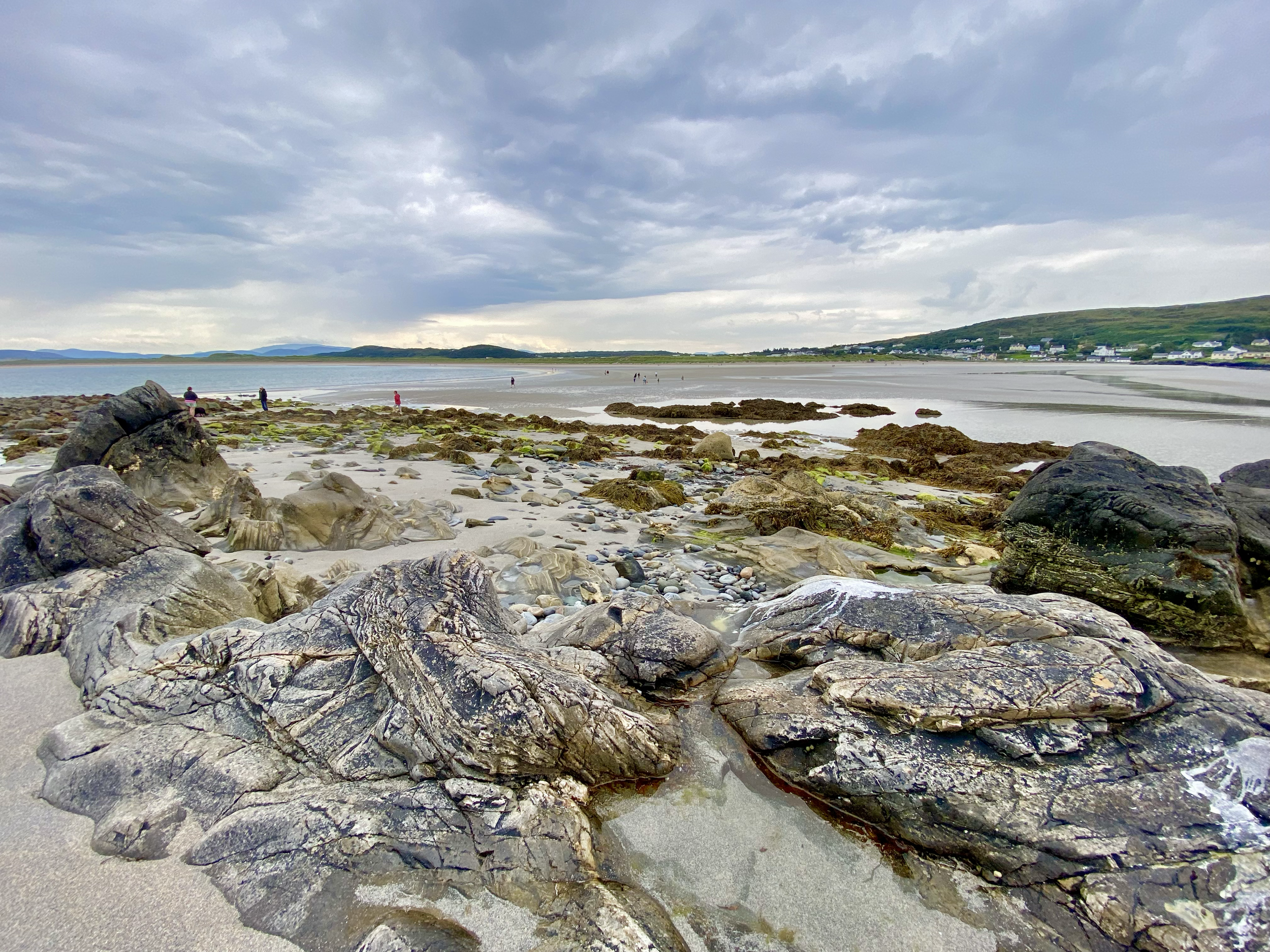
Inishkeel Inis Caoil
Inishkeel is a small island situated 500meters offshore of Narin Portnoo in the inner part of Gweebarra Bay in west Co Donegal. At low tide it is accessible from the mainland by a sand bar. It is a rugged, low-lying island & is a Special Protection Area (SPA) under the E.U. Birds Directive, of special conservation interest; Barnacle Goose.
During the 6th century A.D. a small community of monks settled on the island. Their religious leader was Saint Conall Cael, from whom the island later derived its name. During the following centuries Inishkeel was a traditional destination of pilgrimages. Remains of the church and the connected buildings as well as some carved stones can be seen on the island. For its artistical and archeological importance the island was declared National Monument (code: DG064-003). A bell known as St Conall Cael's Bell remained on Inishkeel up to the 19th century and was then acquired by the British Museum.
A small community used to live on Inishkeel in the past, and in year 1841 23 inhabitants were registered on the island.[9] The island was later abandoned and in 2011 census had no inhabitants.